Top
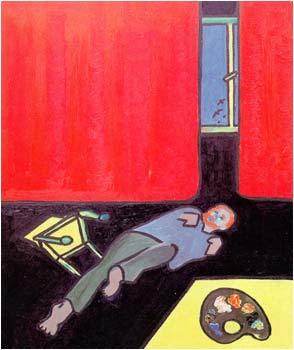 Epilepsy is a neurological disease. It is an expression of abnormal function, acute and transient electrical activity in the brain, resulting in seizures, also called seizures. It is defined by the recurrence of seizures for some time in the life of an individual. The specialist in epilepsy is a neurologist or a neurologist.
 Given the multiple expressions of crises and their evolution, there is not a convulsion or seizure.
Diagnosis The diagnosis of epilepsy based on careful and precise description of the unfolding of the crisis. Only the story of the patient and / or his entourage will appreciate the existence of possible symptoms of the disease: twitching, unconsciousness, collapse, absence, relaxation of sphincters, automation ...
To confirm the diagnosis, the neurologist prescribed an EEG examination that records the electrical activity of the brain. It will be repeated to monitor disease progression.
The search for the cause of epilepsy will occur through the neuro-radiological techniques such as CT and magnetic resonance imaging (MRI).
40% of epilepsies are associated with brain damage (birth defects, encephalitis, sequelae of pain at birth, head injury, stroke, tumors ...). 5 to 10% of them are genetic. Thus the causes of epilepsy are found only once in two.
In France, approximately 450,000 people suffer from epilepsy. Each year, 100 people a day have a first heart attack. Half the time, this crisis may usher epileptic disease.
treatments
They are primarily medical. There is no anti-epileptic specific to a given form of epilepsy. Only the experience of the neurologist will guide the choice of treatment. The regular and daily treatment is the only guarantor of effectiveness to crises.
Three treatment responses are usually observed:
1. Crises disappear fairly quickly after the initiation of treatment.
2. Crises disappear but remain significant risk of relapse upon discontinuation of treatment.
3. In 10-20% of cases, seizures persist despite all attempts at drug treatment. This is called drug-resistant epilepsy.
Surgery to remove the area responsible for the electrical discharge can be given in 5 to 6% of drug-resistant epilepsy.
this intervention can be performed in certain specialized neurosurgical services.
How to manifest epilepsy?
Two main types of crises should be retained:
generalized seizures, including
1. The tonic-clonic : What are the best known, most impressive but not more frequent. They are manifested by a fall with loss of consciousness, convulsive movements, tongue biting, ... . These attacks are called attacks "Grand Mal".
2. Absences: they manifest themselves by a brief loss of contact (a few seconds), resulting in a fixed stare, and are sometimes accompanied by chewing, or involuntary movements called automatisms and inappropriate. Absences are repeated a frequent basis during the day. They met once in the definition of "Little Evil".
partial seizures: they affect only certain parts of the body. They can result in motor disorders, sensory disturbances and sensory disturbances of memory or consciousness. Some of these partial seizures may evolve into a generalized tonic-clonic.
Dealing with a crisis?
Most crises occur unexpectedly. They are short and stop by themselves.
The majority of patients do not get hurt during the crisis and generally have no need of hospitalization or medical intervention unless it is a first seizure.
Crises with convulsions
1. We must keep calm, the crisis will end.
2. We must extend the person gently and as soon as possible, put it on the side.
3. We must protect the head against possible injury.
4. Make sure that the person is breathing without difficulty, especially if his face turned pale.
5. You must stay with the person until she recovered, the comfort and identify possible injury.
6. Do not panic and intervene unnecessarily.
7. It should not prevent the movement and nothing should be put in the mouth.
8. Do not move person except to protect it from injury.
9. Do not routinely call the ambulance or ask for help, but if attacks succeed or if the person has difficulty breathing or injury.
10. Do not imagine that the person has fully recovered as soon as the crisis is over, some people remain confused and disoriented for several minutes after the apparent end of the crisis.
Other types of seizures
1. The person falls and rises with or without disorientation must reassure and make sure it did not hurt and stay with her until recovery complete.
2. The person suddenly seems confused, begins to wander aimlessly and has a strange behavior (picking up objects off her clothes ... not to intervene except in an emergency. Reassuring and wait for full recovery.
TRUE OR FALSE ?
An epilepsy may drive:
TRUE : being epileptic is not always the ban on driver's license. The seizure shall, however, observe the laws and seek the advice of his neurologist.
A young Women with epilepsy can have children
TRUE: In most cases, epilepsy and its treatment do not prevent a couple's life, neither marriage nor motherhood. Special monitoring will be needed before and during pregnancy. An epileptic
may exercise all jobs
FALSE: the choice of occupation will take into account risk factors, yet the vast majority of epileptics can lead a normal life. An epileptic
can lead a normal life
TRUE : subject to observance of some simple rules (avoid burnout, lack of sleep, alcohol), and strict adherence to treatment, the epileptic, well attended, can lead a normal life.
travel and sports are discouraged to an epileptic
FALSE: in his choice, the seizure will be aware of some basic rules of prudence to be observed:
1. medical advice,
2. presence of a relative or a knowledgeable individual disorders,
3. risk assessment.
child with epilepsy can lead the lives of other children
TRUE: the child whose treatment is well balanced should go to school like other *.
specialized institutions are reserved only for special cases. On medical advice, sport-cons is not indicated. Only children with epilepsy called photosensitive must limit the time to use video games.
* Some improvements in the time of trial examinations (third time) may be granted to students with epilepsy.
End
References
http://www.prevention.ch/vousavezditepileptique.htm
References
http://www.prevention.ch/vousavezditepileptique.htm
links


0 comments:
Post a Comment